Loading...
Serving Duncan, OK and surrounding areas. (580) 860-0708
Many Duncan homes were built without wall insulation, and every summer you feel it in your energy bill. We fill your walls and fix that - permanently.
Wall insulation in Duncan, OK, slows heat transfer through your exterior walls so your HVAC system does not have to run constantly, and most jobs on a single-story home are finished in one to two days with minimal disruption.
A large share of Duncan's housing stock was built before the 1980s, when wall insulation was rarely included as standard practice. If your home is more than 40 years old and has never had insulation added to the walls, there is a good chance those cavities are empty - and that gap is working against you every day that Oklahoma summer heat pushes past 95 degrees.
Properly filled walls work in tandem with other upgrades - pairing wall insulation with air sealing services delivers the most noticeable improvement in both comfort and monthly costs.
If your cooling costs spike sharply from June through September and your home never quite reaches a comfortable temperature, your walls may be letting heat pour in. Duncan summers regularly push into the mid-90s, and walls with little or no insulation offer almost no resistance to that heat. If neighbors in similar-sized homes are paying noticeably less, your walls are worth a closer look.
Hold your hand flat against an exterior wall on a windy day. If you feel air movement or the wall feels noticeably cooler than interior walls, the cavity behind it is not doing its job. Duncan's persistent south winds make this test especially telling in fall and winter months.
Homes built in Duncan before the 1980s were often constructed with little or no wall insulation - it simply was not required or common practice at the time. If your home is more than 40 years old and has never had an energy audit, there is a real chance your walls are empty. The age alone is reason enough to check.
If south- or west-facing rooms are consistently warmer in summer no matter what you do with the thermostat, that is a classic sign of under-insulated walls on the sun-exposed side. In Duncan, afternoon sun hits those walls hard, and without insulation that heat transfers straight into your living space.
For most finished homes in Duncan, blown-in insulation is the most practical approach. The crew drills small holes in exterior siding or interior drywall, fills every wall cavity with fiber, then patches and seals each hole. The result is a fully insulated wall with minimal visible evidence of the work. This method works especially well on older wood-frame homes throughout the city, and it pairs naturally with air sealing services when a more comprehensive envelope upgrade is the goal.
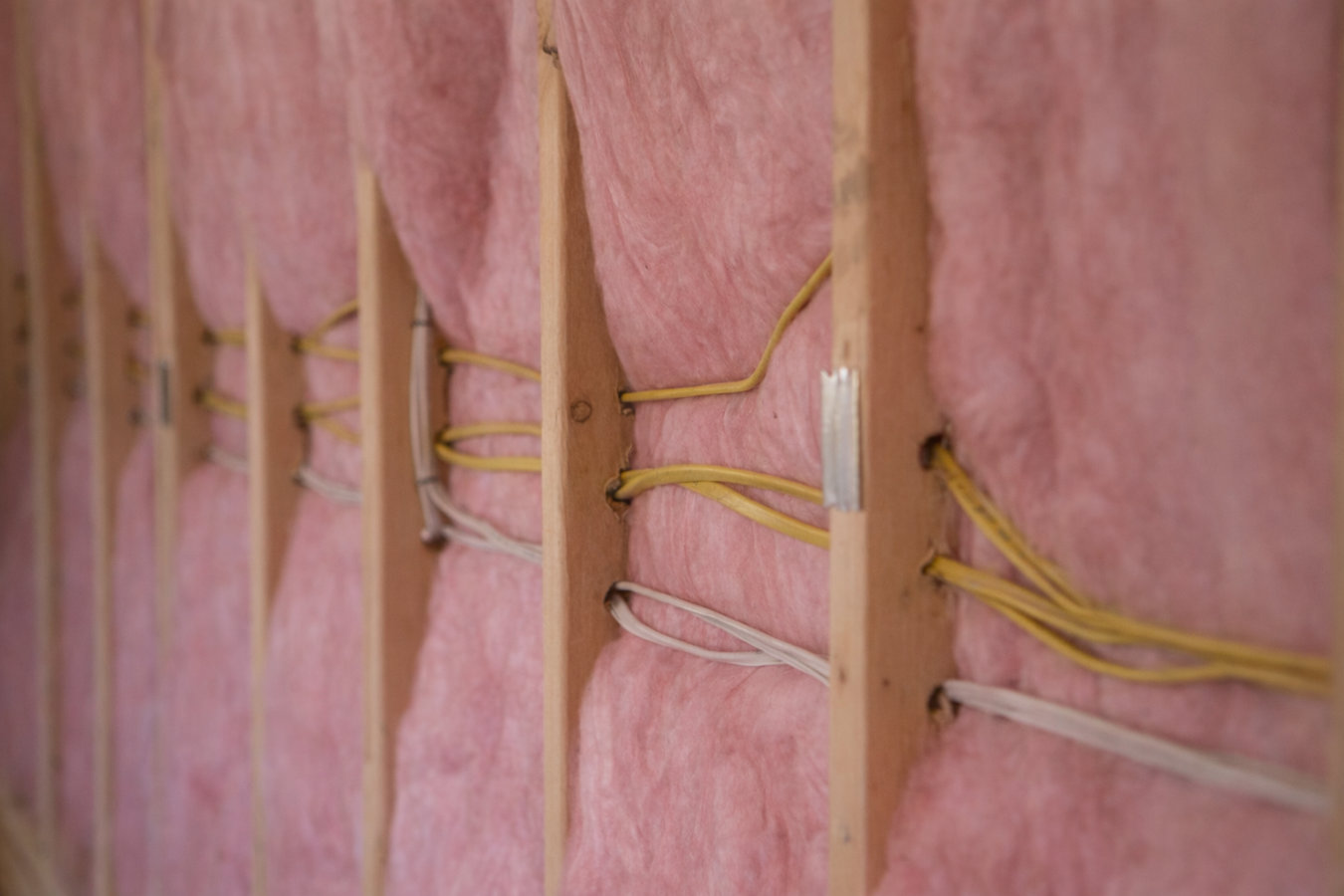
For open-stud situations during renovations or new construction, batt insulation - pre-cut blankets fitted between wall studs - is the standard choice. It installs quickly when the framing is exposed, and it pairs well with spray foam insulation for complete coverage around irregular penetrations. Whichever method fits your home's construction, we assess the wall type on-site before recommending anything.
Best for finished homes where drilling small holes is far less disruptive than opening drywall.
Best for new construction or major renovations where wall framing is fully exposed.
Best for older homes where cavities need firm, settled fill with no voids or settling over time.
Best for homes combining open and closed wall sections, using the right material in each area.
Duncan sits in IECC Climate Zone 3A, which means long, hot, humid summers and real winters within the same year. Your walls are fighting heat gain for five or six months straight. A significant share of the city's housing was built before modern insulation standards existed - many of those homes were constructed without any wall insulation at all. Add Oklahoma's persistent south winds to the equation, and under-insulated walls are not just an energy problem; they make rooms feel uncomfortable even when the HVAC system is running. Homeowners in Comanche, OK and Marlow, OK deal with the same conditions, and we work across the region.
Duncan also has a mix of older wood-frame and brick-veneer homes, and the two require different installation approaches. Brick-veneer homes have a narrow air gap between the brick and the interior wall, which limits exterior access. That means insulation is typically installed through the interior drywall instead. A contractor who knows local housing stock will spot this immediately and quote accordingly - if they do not ask about your wall construction before pricing, that is a sign to keep looking. We assess every home before recommending anything. The U.S. Department of Energy recommends R-13 to R-15 for exterior walls in Climate Zone 3A, which is exactly what we target on every job here.
Reach out by phone or through the contact form and we will respond within one business day. We will ask a few basic questions about your home's age and wall construction to come prepared.
We walk your home, check wall construction type, and look for any moisture issues or existing insulation. This visit is free and carries no obligation - it is what separates a real quote from a guess.
You receive a written estimate covering exactly what will be done, what materials will be used, and the total cost. We do not pressure you to sign on the spot - take time to compare if you are getting multiple quotes.
The crew drills small holes, fills every cavity, then patches and seals each hole before leaving. Most single-story jobs are complete in one day, and you can stay home throughout the work.
Free on-site assessment. Written estimate. No obligation.
(580) 860-0708Duncan Insulation has drilled and filled wall cavities in homes across Stephens County since 2016. That experience means we know how to insulate older walls without damaging finishes, and we patch every access point cleanly before we leave.
From pre-1960 wood-frame homes near the courthouse square to mid-century brick-veneer ranches across Stephens County, we have worked on the kinds of homes that make up most of Duncan's neighborhoods. We assess wall construction on every job because no two homes are identical.
Before we leave, you receive written documentation of what was installed, where, and at what coverage level. That paperwork protects your investment and gives you something concrete if you ever sell the home or file an insurance claim.
We have been working in Duncan and the surrounding south-central Oklahoma region since 2016, which means we understand the local climate, the local housing patterns, and the seasonal timing that matters most for getting insulation work done right.
Every one of those points is something you can verify before you commit. We would rather earn your trust with facts than ask for it on our word alone.
Seal the gaps and cracks that let conditioned air escape, so your newly insulated walls deliver their full benefit.
Learn MoreExpanding foam that bonds to framing and seals air gaps at the same time - ideal for irregular cavities and new construction.
Learn MoreEvery month without wall insulation is another month of high bills - call now to schedule your free assessment before the summer heat arrives.