Loading...
Serving Duncan, OK and surrounding areas. (580) 860-0708
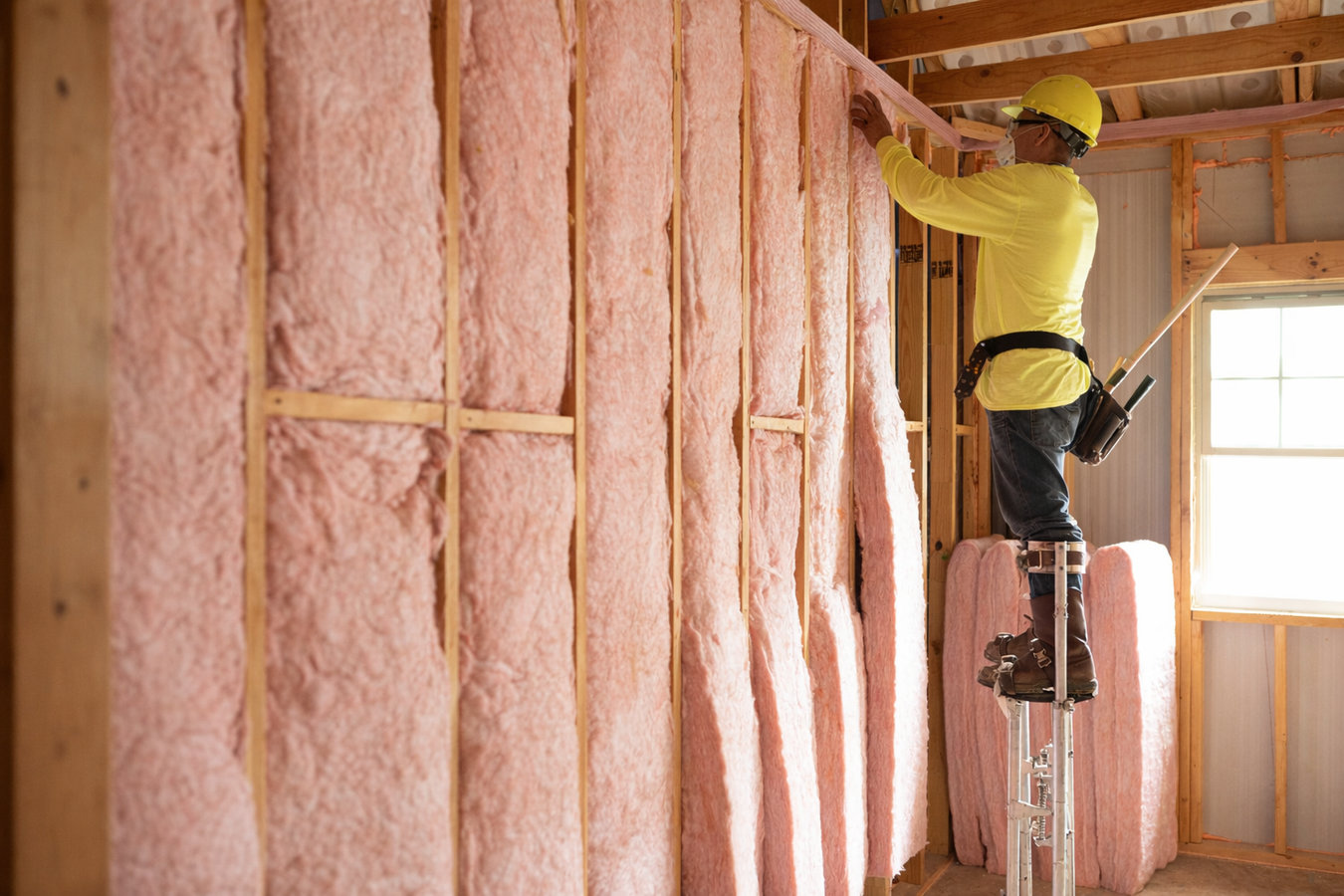
Your older Duncan home is losing energy every day through thin or missing insulation. We add what is needed - in attics, walls, and crawl spaces - without tearing anything apart.
Retrofit insulation in Duncan means adding insulation to a home that is already built - without tearing down walls or starting over. Contractors blow or inject material into existing attics, walls, and crawl spaces through small openings, then patch everything back up. Most attic jobs are finished in a single day. Wall jobs take a bit longer but leave your home looking exactly as it did when the crew arrived.
If your home was built before 1990, there is a good chance it was insulated to standards that are well below what is recommended today. Those older homes in Duncan are losing energy every month - through attic floors that heat up to extreme temperatures in summer, through wall cavities that never had material blown in, and through crawl spaces where Oklahoma clay soils and moisture have taken a toll on whatever was originally installed. Pairing retrofit insulation with attic air sealing gives you the full benefit of both improvements working together.
The federal government currently offers a tax credit covering up to 30% of the cost of insulation materials for primary residences. A good contractor will provide the documentation your tax preparer needs so you do not leave that money on the table.
If your June, July, and August cooling costs feel out of proportion to what your neighbors pay, under-insulation is one of the most common reasons. Duncan's extreme summer heat means your AC has to fight much harder when the attic above your living space is poorly insulated. A steady year-over-year climb in your bill is worth investigating.
Walk through your home on a hot afternoon and notice which rooms feel uncomfortable even with the AC running. Rooms directly under the roof or on exterior walls are usually the worst in older Duncan homes. Uneven temperatures from room to room are a reliable sign that insulation is thin, missing, or has settled over the years.
Homes built in Duncan before 1990 were typically constructed to insulation standards well below what is recommended today. If you have never had the insulation checked or upgraded, there is a strong chance you are losing energy every day. Homes from the 1960s and 1970s were often insulated minimally - or not at all - in the walls.
Hold your hand near an electrical outlet or switch on an exterior wall on a cold winter day. If you feel cool air coming through, the wall cavity behind it has gaps. Insulation alone will not fix that without also sealing the air leaks. This is a common finding in older Duncan homes and a clear sign that a retrofit job with air sealing would make a real difference.
We start every retrofit job with a walk-through of your home - looking at what is in the attic, what is in the walls, and what the crawl space situation looks like. We check for moisture, pest damage, and old insulation that has settled or degraded. If what is there needs to come out before new material goes in, we will tell you - and we can handle both the removal and the replacement. We also assess whether whole-home insulation improvements are needed beyond the most obvious areas.
The best retrofit jobs combine insulation with air sealing - because insulation slows heat through solid surfaces, but it cannot stop air from moving through gaps around pipes, wires, and fixtures. We handle both in the same visit when possible, so you get the full benefit of each improvement working together rather than each one working around the other. When spray foam makes more sense than blown-in material for a specific area, we use it. We match the approach to the home, not the other way around. For more detail on spray foam options, see our spray foam insulation service.
The highest-impact option for most homes - blown-in material fills gaps evenly and can be added quickly without disrupting your living space. Best for homes where the attic is the primary source of heat gain.
For older homes where exterior walls were never properly insulated - small holes are drilled, material is blown in, and everything is patched and painted the same day. Best for homes with uneven temperatures on exterior walls.
For Duncan homes with crawl space foundations - we assess for moisture before adding any material, so we are solving the problem rather than covering it up. Best for homes where floors feel cold in winter or where pest activity has compromised existing insulation.
The most complete solution - we seal air leaks and add insulation in the same visit. Best for older homes where both problems are present and you want the maximum improvement from a single project.
Duncan sits in south-central Oklahoma where summer temperatures regularly exceed 100 degrees and attic temperatures in under-insulated homes can push far higher on peak days. That extreme heat sitting directly above your living space means your air conditioner is fighting a losing battle without good insulation underneath it. Homeowners here tend to see faster payback on insulation upgrades than people in milder climates, simply because the demand on cooling systems is so high for so many months. A significant portion of Duncan's housing was built in the 1950s through 1980s, when insulation standards were far below what is recommended today - meaning many homes are losing a meaningful amount of energy every single month without the owner knowing it.
Oklahoma's freeze-thaw cycles add another layer to the problem. The rapid swings between cold nights and warm days cause building materials to expand and contract repeatedly, which can cause older insulation to settle or pull away from surfaces over time. Crawl spaces in Stephens County also deserve extra attention - Oklahoma's clay-heavy soils and seasonal moisture swings can degrade crawl space insulation quickly and create conditions that attract pests. Homeowners across Chickasha and Lawton face the same combination of older housing stock and Oklahoma's demanding climate. If your home has not been evaluated in the last decade, it is worth finding out what is actually there.
We will ask about your home's age, what type of space you want insulated, and any specific problems you have noticed. This call takes less than ten minutes. We respond within one business day and schedule a visit at your convenience.
A contractor visits your home - no quote over the phone. We look at the attic, walls, and crawl space, check for moisture or pest damage, and explain in plain language what we find. This visit is typically free and takes 30 to 60 minutes.
After the assessment you get a written quote that spells out exactly what will be done, where, and what it costs. No pressure, no sales pitch - just a clear document you can use to compare options fairly.
Most attic jobs finish in a single day. The crew cleans up before leaving and walks you through what was done. We provide documentation of the materials used so you have what you need for the federal tax credit - no extra steps on your end.
Free walk-through assessment. Written estimate. No obligation. We reply within one business day.
(580) 860-0708We do not quote a price without seeing the space first. Every job starts with a walk-through that looks at what is actually there - not what we assume based on the age of the home. That assessment is how we match the right solution to your specific home rather than giving every customer the same answer.
Our crews have retrofitted insulation in Duncan-area homes since 2016, so we know how older south-central Oklahoma walls and attics are built. We document the coverage we install on every job and walk you through the finished work before we consider it done.
The federal energy efficiency tax credit can offset up to 30% of your material costs, but only if the contractor documents the job correctly. We provide that paperwork as part of every job - not as an add-on. You will have what your tax preparer needs without having to chase it down after the fact.
Oklahoma clay soils and seasonal moisture swings make crawl spaces a real vulnerability for Duncan homes. We check for moisture before adding any material - because insulating over a moisture problem just covers it up while it gets worse. If moisture is present, we tell you honestly before the work begins. See the North American Insulation Manufacturers Association for industry standards on best practices in crawl space work.
These are not talking points - they are the actual practices that separate a job done right from one that looks fine until the next summer bill arrives. That difference is why Duncan homeowners come back to us.
When blown-in material is not the right fit, spray foam creates an airtight barrier in hard-to-reach areas of your Duncan home.
Learn MoreA broader look at whole-home insulation options for Duncan homeowners who want to evaluate every area at once.
Learn MoreSummer is coming - get your insulation upgraded now so your AC is not working overtime before the hottest months arrive.